

What makes a city a pleasant place to live? Lessons for city planners from travel.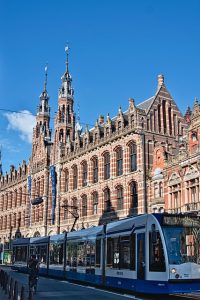
Robbert Veerman
I’m sitting in my hotel room on the 5th floor in Istanbul scanning the city skyline and there are street trees taller than the buildings. There is no sense that the buildings are jarring in style with their neighbours.
In the outer suburbs closer to the airport there are clusters of eight to a dozen six storey apartment blocks with green space between and a surrounding ring of green. The one-hour shuttle ride from the airport to our city hotel encountered only one set of traffic lights.
In Amsterdam, a city with just on 1 million people at its centre, the trams and trains are quality built and people-friendly with multi lingual information displays and verbal announcements in several languages.
Billboards in Amsterdam are everywhere just like at home but the tone of messages seems much less aggressive. Rather than monster utes devouring the bush, the theme is much less about keeping up with the Joneses or getting rich quick. The message often reflects a more sympathetic approach to social questions such as immigration or family violence, and advocacy for personal responsibility.
Much the same can be said of Paris except that its extraordinary rail system deserves special mention.
While such aspects as discussed here can be unobtrusive at first glance, it is probable they reflect the history and cultural values inherent in that city. These cities pay attention to meeting the needs of humans and a commitment to social equity and inclusiveness. This in turn encourages a stronger sense of community and security that enhances the liveability of these cities.